




AK Clinics
AK Clinics- India most trusted & recommended Hair, Skin, Cosmetic Surgery Clinics in India run by Dr. Kapil Dua & Dr. Aman Dua with a mission empowering one million indians to look and feel their best.
Can DHT-related hair loss be controlled naturally? Can you reduce the effect of DHT on hair without immediately starting medicines?
DHT, or dihydrotestosterone, is one of the main hormones linked with pattern hair loss in men and women. In people who are genetically sensitive to DHT, this hormone can slowly shrink hair follicles, making hair thinner, weaker, and less dense over time.
If you are searching for how to block DHT naturally, it is important to understand that natural methods primarily support hair health and may help reduce DHT-related triggers, rather than completely blocking DHT as medical treatments do.
For a complete understanding of DHT, causes, medicines, treatments, and long-term hair loss control, read our detailed guide on: DHT Blockers for Hair Loss: Causes, Treatments and How to Reduce DHT.
QUICK ANSWER — CAN YOU REDUCE DHT NATURALLY?
You cannot completely block DHT naturally, but you can reduce factors that make DHT-related hair loss worse. Natural care works best in early-stage thinning. The most effective approach covers:
Table of Contents
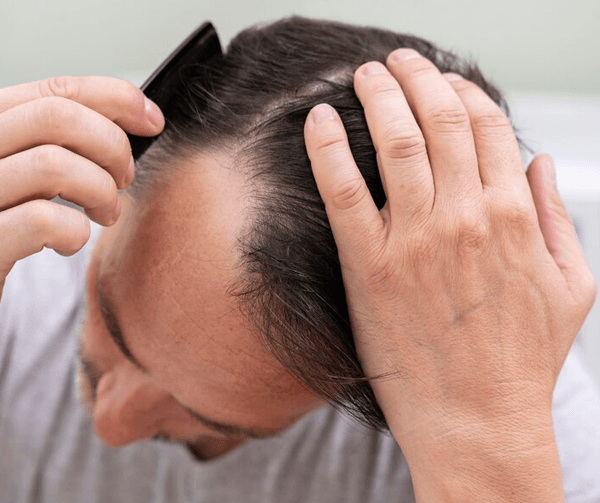
DHT is a hormone made from testosterone. In some people, hair follicles are genetically sensitive to DHT. When DHT affects sensitive follicles, it can gradually cause them to shrink — and as a result, hair may become thinner, weaker, shorter, and less dense over time.
This type of hair loss commonly affects the hairline, temples, and crown area. It usually develops gradually, starting with reduced hair thickness, a slightly receding hairline, or mild crown thinning.
For a detailed explanation of this process, read our guide: What Is DHT and How It Causes Hair Loss.
You may not be able to completely block DHT naturally, but you can reduce the factors that make DHT-related hair loss worse. Natural care works best when hair thinning is in its early stage, by improving the scalp and follicular environment through diet, lifestyle, and correcting deficiencies.
Diet plays an important role in hair strength and scalp health. Hair follicles need adequate protein, iron, zinc, omega fatty acids, vitamins, and antioxidants to function well. A poor diet, skipped meals, or sudden weight loss can make existing hair weaker and increase shedding.
| Nutrient | How It Helps Hair |
|---|---|
| Protein | Supports keratin, the main building block of hair |
| Omega fatty acids | Support scalp health and reduce dryness |
| Iron | Helps carry oxygen to hair follicles |
| Zinc | Supports normal hair follicle function and inhibits 5-alpha-reductase |
| Antioxidants | Protect hair follicles from oxidative stress |
| Vitamin D and B vitamins | Support the normal hair growth cycle |
Some foods contain nutrients, antioxidants, or plant compounds that may support hair health and are often discussed as natural DHT-supportive foods. You can include:
Important Note
No single food can stop DHT-related hair loss on its own. These foods work best as part of a balanced diet that includes adequate amounts of protein, iron, zinc, omega-3 fatty acids, and vitamins. For a detailed food-wise guide, read: 12 Natural DHT Blocker Foods to Stop Hair Loss.
Hair is mainly made of keratin, which is a type of protein. When protein intake is low, hair can become weak, dry, brittle, and more prone to shedding. This is especially important for people who skip meals, follow crash diets, or lose weight suddenly.
Good protein sources for hair health include:
Improving protein intake may not directly block DHT, but it supports stronger existing hair and reduces shedding caused by nutritional deficiency.
Good scalp hygiene helps reduce oil, dandruff, sweat, and build-up that can worsen hair fall. A clean, healthy scalp creates a better environment for hair growth, even though washing alone cannot permanently reduce DHT on the scalp.
Simple scalp care tips:
Stress does not directly create DHT, but it can increase hair shedding. Poor sleep, late nights, illness, emotional stress, and sudden weight loss can all disturb the hair growth cycle.
Useful to Know
Hair fall that starts after fever, illness, surgery, weight loss, or emotional stress is often linked to temporary shedding — not DHT. A hair specialist can identify whether your loss is due to DHT or another cause of hair loss.
Hair fall is not always due to DHT alone. Deficiencies and health conditions can also increase shedding or weaken existing hair. Common hidden causes include:
Some supplements are commonly promoted as natural DHT blockers. These include:
However, natural does not always mean risk-free. These supplements may not be suitable for everyone and should not be started without advice.
| Focus Area | What to Do |
|---|---|
| Diet | Add protein, iron, zinc, omega-3, and antioxidant-rich foods |
| Scalp | Control dandruff, oil, sweat, and build-up |
| Lifestyle | Improve sleep, stress management, and regular exercise |
| Deficiencies | Check iron, vitamin D, B12, thyroid, and PCOS |
| Supplements | Use natural DHT blockers only with expert advice |
While adding healthy foods is important, reducing habits that harm hair health is equally important. Avoid or limit:
These factors may not always directly increase DHT, but they can weaken hair, irritate the scalp, and make existing hair loss more noticeable.
Natural care can help in early hair thinning, but it may not be sufficient when follicles are already shrinking quickly. Natural methods alone may not be enough if:
Early Action Matters
If these signs are present, it is better to consult a hair specialist early. Delaying treatment may allow follicles to weaken further over time, making it harder to restore density later.
Depending on your hair-loss stage and cause, a dermatologist may recommend a combination of treatments. These can include:
The right treatment depends on your age, hair loss stage, scalp condition, family history, medical history, and expectations. Natural methods can still form part of a long-term maintenance plan alongside medical care.
DR. AMAN DUA — CO-FOUNDER AND CHIEF DERMATOLOGIST, AK CLINICS
“Natural ways can support DHT control and improve hair health, especially in the early stages of thinning. A balanced diet, adequate protein, a clean scalp, better sleep, lower stress, and correcting deficiencies can all support healthier hair — but not every natural remedy suits everyone. A specialist can identify whether DHT is the real cause and recommend what is safe and suitable for your specific stage of hair thinning.”
For expert guidance, consult Dr Aman Dua at AK Clinics, or book a consultation for a personalised evaluation and treatment plan.

AK Clinics- India most trusted & recommended Hair, Skin, Cosmetic Surgery Clinics in India run by Dr. Kapil Dua & Dr. Aman Dua.


Leave a Comment