Medical Disclaimer: This article is for educational purposes only and does not replace personalised medical advice. Hair loss causes, stages, and treatment responses vary from person to person. Always consult a qualified dermatologist or hair transplant surgeon before starting any treatment.
Hair Loss, Thinning, or Receding Hairline — Who Should You Consult First?
Whether you are noticing early hair thinning, a receding hairline, or increased shedding, the biggest confusion most people face is not the problem itself, but who to consult for the right hair loss treatment.
Many people search for a dermatologist for hair loss near me or the best hair loss treatment in India, while others jump straight to a hair transplant without understanding the stage of their hair loss. This often leads to incorrect decisions, unnecessary treatments, or delayed results.
Effective treatment planning always starts with identifying the cause of hair loss first. In this guide, we will help you clearly understand when to see a dermatologist for hair loss and when a hair transplant becomes the right option, so you can make the right decision at the right stage.
Why Hair Loss Happens?
But before we get into treatments, it is important to understand what hair loss actually is and how it progresses over time.
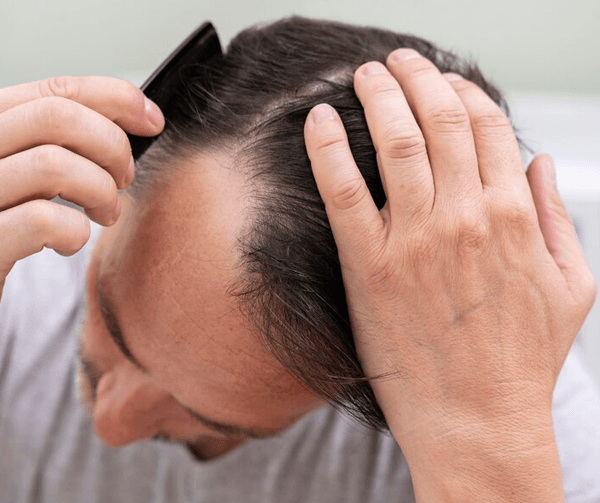
Hair loss is a gradual process in which hair follicles shrink, hair becomes thinner, and it eventually stops growing in certain areas. This is why many people first notice hair thinning, reduced density, or a receding hairline before visible baldness appears.
Hair loss is often a symptom of an underlying issue, not the problem itself. This is where many people make a mistake; they try random or natural hair loss treatments without identifying the actual cause, which delays effective results. Some common causes of hair loss include:
- Genetic hair loss (androgenetic alopecia) — the most common cause, especially in men, is gradual thinning and baldness.
- Hormonal imbalance — conditions like PCOS or thyroid issues can trigger excessive shedding.
- Stress and lifestyle factors — physical or emotional stress can push hair into a shedding phase (telogen effluvium).
- Nutritional deficiencies — low levels of iron, protein, or vitamins can weaken hair and slow regrowth.
- Scalp conditions — dandruff, infections, or inflammation can affect hair follicle health.
Medical and Advanced Hair Loss Treatments
Hair loss treatment is not the same for everyone. The right approach depends on a combination of clinical factors, including the cause of hair loss, the stage and pattern of thinning, the condition of your scalp and hair follicles, and how the hair loss has progressed over time.
Based on this evaluation, dermatologists plan treatment stage by stage, starting with medications in early stages, moving to advanced non-surgical therapies as needed, and considering surgical options only when required.
Early Stage Hair Loss
At this stage, the focus is on controlling hair fall and strengthening existing hair.
Best for:
- Early hair thinning
- Mild receding hairline
- Active hair shedding
These are among the most effective ways to address hair thinning, especially when started early.
When patients consult Dr Aman Dua, MBBS, MD, FISHRS, they mostly ask:
Can hair loss be reversed without surgery?
In many early cases, yes. With timely medical treatment and non-surgical therapies, hair loss can be controlled, and hair quality can improve as long as follicles are still active.
How long should I use minoxidil before expecting results?
Minoxidil usually takes a few months of consistent use to show visible improvement. Dermatologists recommend continuing it under guidance before considering advanced options.
Early to Moderate Stage
As hair loss progresses, dermatologists often add non-surgical advanced treatments to improve results.
These treatments are usually combined with medications for better outcomes.
Which is better, PRP or a hair transplant?
PRP therapy is effective in the early to moderate stages to strengthen existing hair, while a hair transplant is considered only when hair loss becomes advanced.
When Does a Dermatologist Recommend a Hair Transplant?
A dermatologist recommends a hair transplant when hair follicles are no longer active and natural hair growth is not possible in those areas. This usually happens in advanced stages of hair loss, where you may notice bald patches, a receding hairline, or significantly reduced density. At this point, medical or non-surgical treatments can help maintain existing hair but cannot regrow hair in completely inactive areas. In short, you can consider a hair transplant when:
- You have reached an advanced stage of baldness (Grade 6, 7)
- A receding hairline or low density is clearly visible
- Medical treatments are no longer effective
- Hair loss is stable
- You have a healthy donor area
In such cases, hair transplant surgery is recommended to restore hair using healthy follicles from the donor area.
For a complete guide on candidacy, refer to: Who Is an Ideal Candidate for a Hair Transplant?
Why India Is a Preferred Destination for Hair Loss Treatment
India has become a preferred destination for hair loss treatment for many patients, including those travelling from abroad. This is mainly due to a combination of cost-effective care, experienced specialists, and access to advanced treatment options.
Affordability is a key reason. The cost of hair transplants in India and other treatments is generally lower compared to many countries, while maintaining established clinical standards.
At the same time, several Indian cities have developed strong medical ecosystems. Cities like Delhi, Ludhiana, and Bangalore have seen consistent growth in specialised hair loss clinics, with access to expert dermatologists, diagnostic facilities, and advanced treatment options.
This makes it easier for patients to find experienced dermatologists and hair restoration specialists who are familiar with different types and stages of hair loss.
How Doctors Decide the Right Hair Loss Treatment for You
Dermatologists follow a structured clinical approach to understand your condition before recommending any solution. The treatment plan is decided based on key factors such as:
- Your medical history and overall health
- A detailed scalp and hair assessment
- The stage of your hair loss (early to advanced)
- The pattern of hair loss in men vs women
- How hair loss has progressed over time
- The type of hair loss you are dealing with (such as androgenetic alopecia or telogen effluvium)
These factors help determine whether your condition can be managed with medical treatment or requires advanced options. Based on these factors, here is a clear comparison of how doctors choose non-surgical vs surgical hair restoration treatments:
| Factor |
Non-Surgical Treatments |
Surgical (Hair Transplant) |
| Stage of hair loss |
Early to moderate |
Advanced |
| Approach |
Control hair fall, improve density |
Restore lost hair |
| Treatment type |
Medications, PRP, GFC, Mesotherapy |
Hair transplant surgery |
| Hair follicle status |
Still active |
Inactive / no regrowth |
| Progression of hair loss |
Still ongoing or early stage |
Stable, defined pattern |
| Results |
Gradual improvement |
Visible restoration and natural-looking hair transplant results |
Final Takeaway: Start with the Right Expert, Not Just the Treatment
Hair loss treatment is not just about choosing between medications or a hair transplant; it starts with choosing the right dermatologist or hair transplant surgeon who can evaluate your condition correctly.
The outcome depends on whether your doctor can:
- Identify the exact cause of hair loss
- Understand the stage and progression
- Recommend the right treatment at the right time
Starting with the wrong approach or delaying proper consultation can lead to limited results and unnecessary corrective hair transplant procedures later.
If you are experiencing hair fall and looking for the right solution, choose a clinic that focuses on clinical evaluation, personalised planning, and realistic outcomes. At AK Clinics, we take a patient-first approach, where we take consultations seriously because they form the foundation for treatment planning and setting realistic expectations.
Talk to a Hair Expert
If you are experiencing hair fall and want the right guidance, speak directly with our specialists. Call or WhatsApp: +91 97799 44207
Frequently Asked Questions
You should see a dermatologist first. They identify the cause and stage of your hair loss and advise whether medical treatment is enough or if a hair transplant may be needed later.
The most effective treatment depends on the cause and stage of your hair loss. In early stages, medications such as minoxidil and finasteride, and therapies such as PRP or GFC, help control hair loss and improve density. In advanced stages, you may need a hair transplant to restore hair where follicles are no longer active.
PCOS-related hair loss can often be controlled and improved, especially when treated early. With the right combination of medical treatment and hair growth therapies, shedding can be reduced, and hair quality may improve.
A hair transplant provides long-lasting results because the transplanted follicles are taken from areas that are genetically resistant to hair loss. These follicles continue to grow hair in the transplanted area. However, existing natural hair may continue to thin over time, ongoing medical treatment may be required to maintain overall density, and in some cases, future sessions may be needed depending on progression. A well-planned transplant, combined with proper post-treatment care, helps achieve more natural and sustainable results.
Choose a qualified dermatologist who conducts a detailed scalp and hair assessment, evaluates the cause, stage, and pattern of hair loss, has experience with different hair loss conditions, and recommends personalised, grade-wise treatment.
PRP or GFC is not mandatory for every patient after a hair transplant, but it may be recommended in certain cases. It supports healing and graft survival, improves the quality of existing natural hair, and helps when thinning continues in non-transplanted areas.
Medical treatment is usually recommended for 3 to 6 months before considering a hair transplant to assess how well your hair responds, stabilise ongoing hair loss, and plan the procedure for better long-term results.
Yes. Hair loss is easier to manage in its early stages. Delaying treatment can let the condition progress, making it harder to control and reducing the effectiveness of non-surgical options. If hair loss progresses to advanced stages, treatment options become limited, and restoring hair becomes more complex, even for experienced dermatologists.
Disclaimer: This article is for informational and educational purposes only and does not constitute medical advice. Hair loss causes, stages, and treatment responses vary from person to person. Always consult a qualified dermatologist or hair transplant surgeon before starting any treatment. Individual results may vary.










Leave a Comment